Hey everyone, Sarah here from [Your Company Name], your go-to supplier for 10ft expandable container houses. Over the years, I’ve talked to so many people who love these compact, space-saving homes for tiny backyards, pop-up shops, or even temporary work quarters—but one question always comes up: “How do I keep this small, movable space safe from fires?” 10ft Expandable Container House
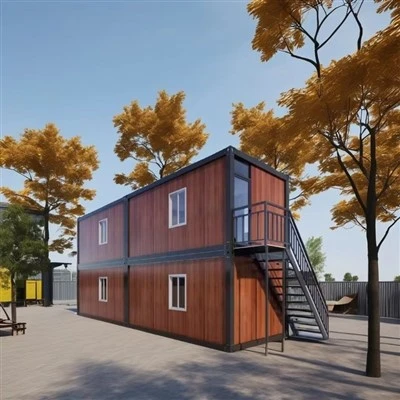
It makes total sense to worry, right? These houses are built to be tough, but they’re not indestructible. As someone who’s shipped over 500 of these 10ft expandable units in the last 3 years, I’ve seen both the little mistakes people make and the easy fixes that actually work. Let me break this down like I would to a customer browsing our catalog—no fancy jargon, just real, tested tips that fit exactly a 10ft unit, since it’s smaller than a regular container, every inch counts.
First off, let’s get one thing straight: a 10ft expandable container house isn’t just a metal box you plop in your backyard. When it expands, it’s got that insulated interior, electrical wiring, and often a small kitchen or heater—all things that need fire safety tailored to its size. I’ve had a customer in Austin reach out last year saying their portable space heater almost sparked a fire because they didn’t think to check the clearance. That’s the kind of avoidable error we’re here to fix.
Let’s start with the basics that even most first-time owners miss: electrical safety. A 10ft unit has way less space than a standard house, so you can’t run 5 extension cords daisy-chained together like you might in a garage. Wait, don’t do that—ever. I see it all the time: people plug their fridge, microwave, phone chargers, and a space heater all into one power strip, which overloads it. For a 10ft unit, our internal wiring is rated for a max of 1500 watts per circuit, and if you’re running multiple high-wattage appliances (microwave is 1000w, space heater is 1500w), you need a separate 20-amp circuit installed by a licensed electrician. A lot of customers skip that to save cash, but a blown circuit or overloaded wire is the number one fire risk we see with these units. Pro tip from our tech team: when you order your unit, add the electrician-approved wiring bundle as an add-on—it’s $120 and saves you the headache later. Also, make sure all cords are tucked away, not stretched across the floor where furniture or feet might fray them.
Next, heating is a big one, especially if you’re using the unit in cold climates. Our 10ft expandable units have thin walls when expanded, so heat can escape fast, but that doesn’t mean cranking a space heater right against the wall is okay. The rule here is 3 feet of clearance between any heating source (heaters, wood stoves, even propane tanks) and anything flammable—walls, curtains, bedding, furniture. A customer in Denver last winter almost had a fire because they put a small propane heater 1 foot from the insulated wall; the wall’s insulation caught a little, and luckily their smoke alarm went off. Also, if you’re using a wood stove, only use UL-listed models made for small spaces, and never leave it unattended. We recommend skipping wood stoves entirely for 10ft units—they’re too tight for proper ventilation, and you don’t want to risk carbon monoxide poisoning too, which is a double hazard.
Now, fire extinguishers. This is non-negotiable, and size matters here. You don’t need a big, bulky 5lb extinguisher that takes up half your 10ft living space. We recommend a 2lb ABC-rated fire extinguisher— it’s compact, fits in a cabinet by the door, and works on all common fires: electrical, cooking, wood, fabric. Don’t buy a dry powder extinguisher for a kitchen fire—it’ll ruin your microwave and fridge with residue. Pro tip: teach everyone in your household (or whoever’s using the unit) how to use it—just PASS: Pull the pin, Aim at the base of the fire, Squeeze the handle, Sweep side to side. I include a small printed card with this in every unit we ship, but it’s worth doing a quick run-through once when you first set up. Also, check the extinguisher’s pressure gauge every 6 months—they expire after 5 years, and a dead one is useless when you need it.
Smoke alarms aren’t just a “house thing”—they’re mandatory for any enclosed space, including your 10ft container house. Since these units are small, you only need one, but mount it high on the ceiling, not near a vent or window where drafts can trigger false alarms. Wait, don’t put it in a corner either—smoke rises, and corners can trap it? No, actually, corners are where smoke accumulates first, so mount it 12 inches from the nearest wall. We include a battery-operated smoke alarm with every unit, but if you have it wired into your circuit, test it monthly. If it chirps once a week, that’s a low battery—swap it immediately, don’t ignore it. I had a customer in Florida whose smoke alarm died, and they didn’t notice; a toaster fire started at night, and they only smelled it the next morning. That’s a close call we want to prevent.
Cooking safety is huge too, because kitchens are fire hotspots. Most 10ft expandable units come with a tiny kitchen nook, and people often underestimate how easy it is to leave a burner unattended. Rule #1: never leave cooking unattended. If you have to step away (even just to grab a drink), turn the stove off. If you’re frying something, stay in the kitchen—no scrolling on your phone, no stepping outside to chat with neighbors. Also, keep flammable items (towels, paper towels, spice containers) at least 1 foot away from the stovetop. A lot of people store spices on the wall next to the burner, and that’s a fire waiting to happen. If you’re using a microwave, don’t heat metal containers—obviously, but you’d be surprised how many people pop a aluminum plate in there. For a small kitchen, keep a 12-inch lid nearby to smother a grease fire—never use water, because grease splatters and makes the fire worse. That’s a trick I learned from my dad, a firefighter, and it works every time.
Ventilation is another thing people sleep on, and it ties into fire safety. If your unit is too stuffy, condensation builds up, but if you don’t vent it properly when you’re using a heater or cooking, you can get carbon monoxide buildup, which is deadly before you even smell smoke. Our 10ft units have built-in vents, but when you run a propane heater or gas stove, leave a window cracked even an inch—enough to let air in and toxic fumes out. Also, in hot weather, don’t seal the unit up tight; keep the expandable panels’ vents open to prevent overheating. I saw a customer in Phoenix last summer leave their unit fully sealed while running an AC, and the wiring overheated a little because the unit was trapped in a closed space. A $10 vent cover for the wall fixed it, but again, it’s a small detail.
Now, since these are expandable, let’s talk about the structure itself. The walls are insulated, but if you’re adding anything to the exterior, like a deck or awning, make sure there’s 10 inches of clearance between the awning and the unit’s walls—especially if you live in an area with wildfires. Wildfire smoke can travel, but embers landing on the awning could catch your unit on fire. We send a small guide with every unit that lists clearance requirements, so don’t skip that. Also, if you’re placing the unit on a wooden deck, put fire-resistant mats under the corners—spark from a grill (if you use one outside) could land on the deck, and if it’s right next to the metal container, it might heat the metal and catch the unit’s exterior insulation. A $20 mat is way cheaper than replacing your entire unit.
Wait, let’s address something specific to 10ft units: they’re smaller, so a lot of people use them for guests, home offices, or storage. If you’re using it for storage, don’t stack flammable items (old clothes, gasoline, propane tanks) against the interior walls. Even a small spark from a faulty outlet could ignite them. I had a customer in Ohio who stored old paint cans and a lawnmower in their unit, and a faulty wire from the plug they used for Christmas lights caught a small fire—luckily, the extinguisher was right there. So storage items: keep them at least 2 feet away from walls, and never store anything that’s flammable unless it’s in a approved metal cabinet.
Now, what about emergency plans? For a 10ft unit, you don’t need a big binder, just a simple escape route. Since it’s small, there’s usually only one door, so make sure it opens easily—no heavy furniture blocking it, no deadbolt you can’t unlock in a hurry. Keep a small flashlight and a whistle by the door, so if the power goes out and there’s smoke, you can find your way. Also, have a designated meeting spot 50 feet away from the unit—like a tree or a mailbox—so everyone knows where to go. We add a small “escape plan” sticker to the interior wall, but it’s worth going through it once when you first move in.
Let me wrap this up with stuff that ties back to being your supplier. I know a lot of you are ordering these units for specific needs—work quarters for a job site, a pop-up café, a tiny home. The last thing you want is a fire ruining your investment or putting anyone in danger. That’s why we include all the basic safety gear (smoke alarm, fire extinguisher, clearance guide) with every 10ft expandable container house we ship, but it’s up to you to follow these tips. If you have questions specific to your setup—like if you’re adding a kitchen or heating system—hit us up directly. We don’t do generic sales calls; we work with every customer one-on-one to make sure their unit is set up safely. If you’re ready to order a 10ft expandable container house, or need help troubleshooting your current setup, reach out to our team to chat through your needs—we’re here to help, not just sell units.
At the end of the day, fire safety for a 10ft expandable container house is all about small, consistent steps: don’t overload circuits, keep heating sources away from walls, test your smoke alarm monthly, and have an extinguisher handy. It’s not rocket science, but it’s the stuff that prevents disasters. I’ve been in this business for 5 years, and the customers who follow these rules never have issues. The ones who skip the small stuff? They end up calling us for emergency fixes or worse. So do yourself a favor, take 20 minutes to go through these tips when you get your unit set up, and you’ll have a safe, functional space for years.

If you have any questions about your 10ft expandable container house’s fire safety, feel free to contact our team to discuss your requirements.
Fast Assemble Container House References:
- National Fire Protection Association. (2022). Fire Safety in Small Residential Structures. NFPA 101: Life Safety Code Handbook.
- Portable Container Home Safety Association. (2021). Fire Prevention Guidelines for Compact Movable Dwellings.
- U.S. Consumer Product Safety Commission. (2023). Electrical Safety Tips for Small Space Living.
Tangshan Jingrong Trading Co., Limited
With abundant experience, we are one of the most professional 10ft expandable container house manufacturers and suppliers in China. Please feel free to wholesale customized 10ft expandable container house made in China here from our factory. For price consultation, contact us.
Address: Room 1103, Tangshan Rongtong Building, Lubei District, Tangshan City, Hebei Province.
E-mail: Linda@tscontainerhouse.com
WebSite: https://www.tscontainerhouse.com/
