Alright, let’s cut through the noise—when it comes to picking pipes, most people I talk to default to what’s cheapest or what their buddy swears by, but the truth is, Black Steel Pipe and PVC Pipe are like apples and oranges for most jobs. I’ve been in the Black Steel Pipe game for over a decade, so I’ve seen every dumb call a plumber, builder, or even a DIYer makes when they skip doing their homework. Let’s break this down like I’m explaining it to a guy who just called at 7 a.m. panicking because his PVC pipe burst on a job site—no fancy jargon, just the real tea on what sets these two apart, and when you actually need to reach for steel. Black Steel Pipe
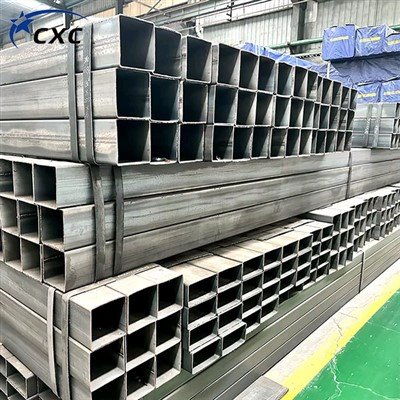
First off, let’s get the basics straight, no snobbery here. Black Steel Pipe is made from carbon steel, right? It gets its dark “black” color from that thin layer of iron oxide that forms when it’s heated during manufacturing—no coating, no frills, just raw steel that’s super durable. PVC Pipe is polyvinyl chloride, a plastic that’s molded into those lightweight, white (or gray, or whatever color) tubes you see at Home Depot. Now, here’s the first big difference that trips people up: where they’re actually used. I see so many folks trying to run PVC through commercial building sub-systems or hot water lines, and that’s a disaster waiting to happen. Black steel, on the other hand? It’s the go-to for anything that needs to hold up to pressure, heat, or rough conditions that would turn PVC into a mushy mess in 5 minutes.
Let’s talk about the nitty-gritty stuff that matters when you’re buying—cost, durability, and, honestly, how much of a headache you’re gonna have down the line. Cost-wise, PVC is cheaper upfront, no question. A 10-foot stick of 1-inch PVC is like $5, whereas the same size black steel is maybe $12? But wait—don’t forget hidden costs. If you’re running pipe for a industrial facility, or a commercial building’s fire sprinkler system (that’s a huge one—you can’t use PVC for fire lines, by the way), PVC’s not just weak on its own, it can get damaged super easily during installation. Drop a steel pipe off a ladder? No biggie. Drop a PVC pipe? You’ll be patching a crack before you even reach the ground. And when it fails? Black steel might leak a little, PVC can burst, flooding a entire basement or a factory floor, which means way more repair work than just replacing a pipe. I’ve had customers come to me after a PVC pipe busted at a local car parts shop—they had to shut down production for 2 days, replace 200 feet of ruined PVC, and fix water damage to electrical wiring. Total bill? Over $50k. If they’d used black steel in the first place, that would’ve been a $2k pipe job, no downtime.
Heat and pressure are another big one, and this is where I see DIYers mess up all the time. PVC has a max temp—usually around 140°F, right? If you run hot water (even just a water heater line) through PVC that’s even a little over that, the plastic softens, degrades, and starts to crack. Black steel? It can handle temps way higher—up to 750°F, easy—so it’s perfect for hot water lines, steam lines, or even outdoor applications where it’s getting direct sun all day, which makes PVC warp after a year. Pressure-wise, too: black steel has a much higher PSI rating. 1-inch black steel is rated for like 1,500 PSI, while PVC is only around 400 PSI. That’s why you can’t use PVC for a main water line feeding a whole neighborhood, or for industrial equipment that runs under high pressure. I once had a contractor try to use PVC for a compressor line at a construction site—within a month, it was blowing apart every other week, and he was wasting time and money replacing it nonstop. Switched to black steel, and he hasn’t called me about that job since.
Installation is another area where they’re night and day, depending on who’s doing the work. PVC is light, so you can carry a whole 20-foot stick by yourself, and you just glue the joints together with that purple PVC cement. It’s fast, but the glue needs to cure for like 24 hours before you can turn on the water, right? Black steel is heavier—you might need two people to lift a 10-foot stick of 2-inch pipe—and you have to thread the ends, or weld them, or use flanged fittings. That takes more time and skill, so it’s not as easy for a DIYer who’s never worked with metal. But wait—what about connections? PVC can crack when you thread it, and the glue can fail if you don’t get the surfaces clean enough. Black steel threads, when done right, are super secure, and they last for decades. I’ve seen a house built in the 1950s that still has original black steel pipes in the basement—no leaks, no issues. The same age house with PVC? Well, PVC didn’t even exist back then, but if someone had tried to install it in the 80s, it would’ve already failed multiple times.
Wait, but don’t get me wrong—PVC has its place. If you’re doing a small, low-pressure, above-ground job, like a garden hose bib line, or a small drain pipe under a porch, PVC is fine. It’s lightweight, easy to cut, no rust, so you don’t have to worry about it corroding in soil. Oh, right—rust! That’s a huge one for black steel. Black steel will rust if it’s not coated or protected, right? So if you bury it underground, you have to wrap it in plastic or use a coated black steel pipe, otherwise it’ll rust through in a few years. PVC doesn’t rust at all, which is why it’s so popular for underground water lines in residential homes. But if you’re burying black steel, you just have to prep it right—most of my customers who use black steel for underground jobs get it coated with a epoxy layer to prevent rust, so it lasts 50+ years, same as PVC, without corroding.
Another thing I get asked all the time: can I use black steel instead of PVC? Yeah, sometimes—but it’s overkill for small jobs. If you’re just replacing a 6-foot line under your sink, PVC is fine, no need to spend the extra money on steel. But if it’s a bigger job, or a job that’s in a place where there’s heat, pressure, or physical damage (like a basement where pipes could get hit by tools, or an outdoor line that’s exposed to the elements), black steel is worth the extra cost. And don’t forget about fire safety—black steel is non-combustible, so it’s required for fire sprinkler systems in almost every building code. PVC is plastic, so it melts when it gets hot, which is a huge fire hazard. That’s non-negotiable, by the way—you can never use PVC for fire lines, full stop.
Let’s talk about longevity, because that’s the big selling point for steel. I mentioned the 1950s house—black steel pipes last 50 to 100 years, if they’re properly maintained. PVC, on the other hand, has a lifespan of about 25 to 40 years, even under perfect conditions. So if you’re building a commercial building or a industrial facility that’s gonna be around for decades, paying a little extra for black steel now saves you from re-piping the whole thing in 30 years. I had a customer last year who was putting up a new warehouse—he was gonna use PVC for the plumbing lines, but I talked him into black steel. He said, “I don’t wanna be replacing pipes in 10 years because PVC got brittle.” Smart move—now his lines are gonna hold up for the entire time he owns the warehouse.
What about maintenance? Black steel needs to be inspected every now and then for rust, especially if it’s exposed. You can just sand off surface rust and add a coat of paint or rust inhibitor, easy. PVC? Once it’s damaged or starts to degrade, you can’t fix it—you have to cut it out and replace the whole section, because there’s no patching it permanently. That’s another cost factor that people overlook.
Look, I’m not here to say black steel is always better, or PVC is garbage. It all boils down to the job, and knowing what you’re actually using the pipe for. PVC is perfect for small, low-stakes, indoor or above-ground residential jobs where cost is king. Black steel is for high-pressure, high-heat, commercial or industrial jobs, or any place where you need a pipe that’s gonna last forever and handle whatever you throw at it.

If you’re sitting here trying to figure out which one you need, let me save you the guesswork. Don’t make the mistake I see so many people make—going with whatever’s cheapest without checking the requirements of your project. If you’re working on a job that needs something durable, pressure-resistant, or heat-proof, reach out to me. I’ve got black steel pipes in all sizes, ready to go, and I can help you figure out exactly what you need, no sales pitch, no fluff. Just straight answers, and a product that won’t let you down when the pressure’s on.
Black Steel Pipe Don’t waste time dealing with pipe failures, downtime, or unexpected repairs. Whether you need a small run for a remodel or a whole system for a new build, I’ve got the black steel pipe that fits your needs. Hit me up to chat through your project—no pressure, just real advice from someone who’s been doing this long enough to know what works.
References
- American Society of Mechanical Engineers (ASME). Pipe Pressure Rating Standards for Carbon Steel and PVC.
- International Plumbing Code (IPC). Approved Pipe Materials for Commercial and Residential Applications.
- National Fire Protection Association (NFPA). Standards for Fire Sprinkler System Piping Materials.
- PVC Pipe Association. Technical Data on PVC Pipe Performance Under Heat and Pressure.
- Steel Tube Institute. Black Steel Pipe Durability and Application Guidelines.
Wuxi Chengxingchuang Metal Products Co., Ltd.
As one of the most professional black steel pipe manufacturers and suppliers in China, we’re featured by quality products and good price. Please rest assured to buy cheap black steel pipe for sale here from our factory. Welcome to contact us for customized service.
Address: No.8-2, Zhoujia Lane, Liangxi District, Wuxi City, Jiangsu Province, China
E-mail: 13961862735@163.com
WebSite: https://www.cxcsteeltubes.com/
