When it comes to constructing modern steel office buildings, sound insulation is a crucial aspect that can significantly impact the comfort, productivity, and overall well – being of the occupants. As a supplier of steel office buildings, I understand the importance of addressing this issue effectively. In this blog, I’ll delve into how steel office buildings handle sound insulation, from the basic principles to the practical solutions. Steel Office Buildings

Understanding the Basics of Sound Transmission
Before we discuss how to insulate steel office buildings, it’s essential to understand the basics of sound transmission. Sound travels in waves through different mediums, such as air, solid materials, and liquids. In an office building, sound can be transmitted in two main ways: airborne sound and structure – borne sound.
Airborne sound is the most common type of sound transmission. It occurs when sound waves travel through the air and pass through walls, ceilings, and floors. For example, voices, music, and the sound of office equipment are all examples of airborne sound. Structure – borne sound, on the other hand, is created when vibrations are transferred through the building’s structure. This can happen when heavy machinery is operating, or people are walking on the floors.
Challenges in Sound Insulation for Steel Office Buildings
Steel is a highly conductive material, which means it can easily transmit sound and vibrations. This poses several challenges when it comes to sound insulation in steel office buildings. One of the main challenges is the fact that steel frames can act as a conduit for sound, allowing it to travel quickly and efficiently throughout the building.
Another challenge is that steel buildings often have large open spaces, which can lead to sound reverberation. Reverberation occurs when sound waves bounce off hard surfaces and continue to echo in the space. This can make it difficult to have clear conversations and can be a major distraction for office workers.
Strategies for Sound Insulation in Steel Office Buildings
1. Insulation Materials
One of the most effective ways to reduce sound transmission in steel office buildings is by using high – quality insulation materials. There are several types of insulation materials available, each with its own advantages and disadvantages.
Fiberglass insulation is a popular choice for sound insulation. It consists of fine glass fibers that trap air and absorb sound waves. Fiberglass insulation is relatively inexpensive, easy to install, and has a high sound absorption coefficient. Mineral wool insulation is another option. It is made from natural or synthetic minerals and has excellent sound – absorbing properties. Mineral wool is also fire – resistant, which is an important safety feature in an office building.
Another type of insulation material is spray foam insulation. Spray foam insulation can be applied directly to the steel structure, filling in any gaps and cracks and creating a seamless barrier against sound. It has a high R – value, which means it can also provide good thermal insulation in addition to sound insulation.
2. Double – Wall Construction
Double – wall construction is a technique that involves building two separate walls with a gap in between. This gap can be filled with insulation material, which helps to dampen sound waves. The outer wall can be made of steel, while the inner wall can be made of a different material, such as drywall or plywood.
The double – wall construction creates an additional barrier for sound transmission, reducing the amount of airborne and structure – borne sound that enters or leaves the office space. It also helps to reduce reverberation by absorbing sound waves within the walls.
3. Acoustic Ceilings and Flooring
Acoustic ceilings are an important component of sound insulation in steel office buildings. They are designed to absorb sound waves, reducing reverberation and improving speech intelligibility. Acoustic ceilings can be made of various materials, such as fiberglass, mineral wool, or perforated metal.
Similarly, acoustic flooring can also play a significant role in sound insulation. Carpeted floors are a popular choice as they can absorb a significant amount of sound. However, if carpet is not suitable for the office environment, there are also other options, such as rubber flooring or acoustic underlayment for hard – surface floors.
4. Sealing Gaps and Cracks
Even the smallest gaps and cracks in a steel office building can allow sound to leak through. Therefore, it’s important to seal all gaps and cracks around windows, doors, vents, and electrical outlets. Caulking and weatherstripping are commonly used to seal these gaps.
Sealing gaps not only helps to improve sound insulation but also enhances energy efficiency by preventing air leakage. This can lead to cost savings on heating and cooling bills in the long run.
5. Design Considerations
The design of a steel office building can also have a significant impact on sound insulation. For example, separating noisy areas, such as mechanical rooms and conference rooms, from quiet areas, such as offices and libraries, can help to reduce sound transmission.
Using partition walls and acoustic baffles can also help to control the flow of sound within the building. Partition walls can be made of sound – insulating materials and can be used to create private offices or meeting rooms. Acoustic baffles can be suspended from the ceiling to absorb sound and reduce reverberation in large open spaces.
Testing and Evaluation
Once the sound insulation measures have been implemented in a steel office building, it’s important to test and evaluate their effectiveness. There are several methods for testing sound insulation, such as sound intensity testing, sound pressure level testing, and reverberation time testing.
Sound intensity testing measures the amount of sound energy passing through a surface, while sound pressure level testing measures the amplitude of sound waves. Reverberation time testing measures the time it takes for sound to decay in a space. By conducting these tests, we can determine if the sound insulation measures are meeting the required standards and make any necessary adjustments.
The Importance of Sound Insulation in Office Buildings
Good sound insulation in office buildings offers several benefits. Firstly, it improves the comfort of the occupants. A quiet office environment allows employees to focus on their work without being distracted by external noise. This can lead to increased productivity and job satisfaction.
Secondly, sound insulation can enhance privacy. In an office setting, privacy is important for confidential conversations and meetings. By reducing sound transmission, sound insulation helps to protect the privacy of employees and clients.
Finally, sound insulation can also improve the overall aesthetic of the office building. A building with good sound insulation is more likely to have a quality feel, which can enhance the image of the company.
Contact Us for Your Sound – Insulated Steel Office Building Needs
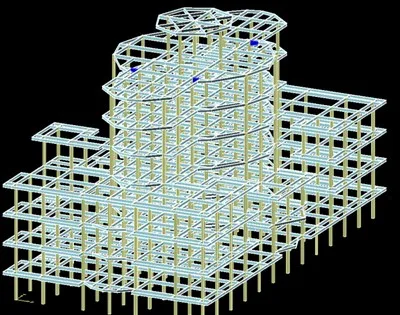
As a steel office buildings supplier, we have extensive experience in designing and constructing office buildings with excellent sound insulation. We use the latest technologies and high – quality materials to ensure that our buildings meet the highest standards of sound insulation.
Steel Aircraft Hangars If you are in the process of planning a new steel office building or looking to upgrade the sound insulation of your existing building, we would love to hear from you. Our team of experts can provide you with detailed information and customized solutions based on your specific needs. Contact us today to start the conversation about creating a quiet, comfortable, and productive office environment.
References
- Beranek, Leo L. "Acoustics." American Institute of Physics, 1986.
- Fahy, Frank J., and Professor F. J. Fahy. "Foundations of Engineering Acoustics." Academic Press, 2001.
- Mechel, F. P. "Acoustics of Ducts and Mufflers." Springer, 1995.
Shandong Honstar Construction Co., Ltd.
As one of the most experienced steel office buildings manufacturers in China, we have world-leading production equipment and strong manufacturing capabilities. Please feel free to buy cost-efficient steel office buildings for sale here from our factory. Contact us for more details.
Address: No.365,Xinhai street,Weifang,Shandong,China
E-mail: info@honstarconstruction.com
WebSite: https://www.steelbuildingchina.com/
