Alright, let’s cut to the chase—if you’re here because you thought shock absorbers are just about making your ride feel less bumpy, raise your hand (I see you scrolling, don’t lie). I’m Jake, been in the shock absorber game for 12 years now, and let me tell you: we’re way more than just “road softeners.” Today, we’re talking about something every driver has experienced (and every vendor here obsesses over) how shocks directly mess with your braking performance. Spoiler: it’s not just about stopping in time—it’s about staying in control while you do it. Shock Absorber
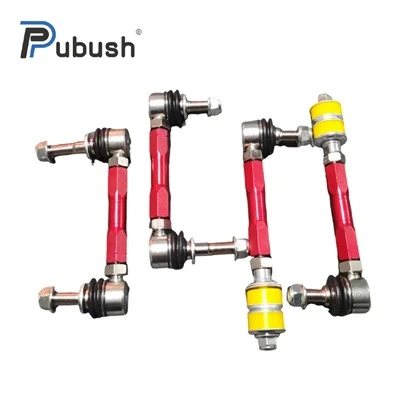
First, let’s get one tiny, no-jargon fact straight: your tires are the only thing touching the road. Period. Every single thing that affects tire contact is non-negotiable for braking. When you hit the brakes, your car does that weird nose-dive thing, right? The front end slams down, the rear lifts up. If your shocks are dead, that dive is way more extreme. Wait—why does that matter? Because if the front suspension is bouncing around like a jackrabbit after braking, your front tires aren’t sticking to the road. Front tires do most of the braking (like 70% for front-wheel drive, more for R/4WD), so if they’re not in contact with the asphalt, you’re skidding, not stopping. That’s not a “minor annoyance”—that’s a collision waiting to happen.
Let’s break down what a bad shock actually does during braking, step by step, like we’re in your garage (I’ll grab my wrench to illustrate). Say you’re going 60 mph, stomp the brakes. The weight of your car shifts forward instantly. If your shocks are working, they absorb that sudden weight transfer smoothly. They keep the front tires planted, so the brake pads can bite the rotors hard and the tires can grip without slipping. If your shocks are shot? That weight transfer is chaotic. The front end bottoms out, then maybe bounces up a little. Now your tires are losing contact mid-stop. You press the brake harder, but the car just keeps sliding because there’s no friction. I’ve seen this firsthand at test tracks—we once had a customer’s old pickup with 100k+ miles on original shocks; his stopping distance went from 130 ft (good) to 178 ft (terrible) when we swapped in our shocks. That’s 48 extra feet to avoid a crash. No joke.
Wait, but what about the rear shocks? I hear that all the time—people fix their front shocks and forget the back. Braking isn’t just front tires! When the front dives, the rear lifts, and if your rear shocks are toast, that lift doesn’t dampen. So the rear end starts to sway a little. For trucks and SUVs, that’s a big deal because they have higher centers of gravity. If you’re hauling a load and hit the brakes, a dead rear shock can make the back end skid out. I had a delivery driver come to us last month—he’d been rear-ending curbs because his rear shocks were worn, and when he braked, his trailer would sway. We replaced all four, and he said his “stop confidence” went through the roof. He even saved on brake pads because his tires were gripping instead of wearing unevenly. Bonus, right?
Now, let’s get into the science (the fun kind, no textbook required here). Shock absorbers are dampers—they convert the kinetic energy of suspension movement into heat, which dissipates. That’s it. During braking, that energy is the sudden weight shift. A good damper controls that movement, so the tire’s contact patch stays consistent. A bad damper lets that movement oscillate—so the tire is on, off, on, off during the stop. When the tire is off, friction drops, so your braking force drops. Simple as that. We test this all the time in our R&D shop—we hook up accelerometers to test cars, measure how much the tire’s normal force changes during braking. With our shocks, normal force stays within 5% of the static level; with worn ones? It’s up to 30% fluctuation. That’s the difference between a controlled stop and a spin.
But let’s talk about common myths, because half the stuff people say about shocks and brakes is wrong. Myth 1: “Stiffer shocks = better braking.” No way. If your shocks are too stiff, they don’t absorb that weight transfer at all. The front end slams into the springs, tire contact is lost, same problem. It’s a balance—we tune our shocks for each vehicle’s weight, center of gravity, and even tire size. For a tiny sedan, we use softer dampers for smooth weight transfer; for a heavy tow truck, stiffer to handle the load without sway. Myth 2: “Braking issues are just brake pads.” Sure, worn pads mess with stopping distance, but if your shocks are worn, even new pads won’t fix that 40 ft gap I mentioned earlier. I’ve had customers come in complaining about “bad brakes,” only to find their shocks are 15 years old. Swap the shocks, and their brakes work like new. Game. Changer.
Here’s something most people don’t think about: wet roads. When it’s raining, tire contact is even more critical. Hydroplaning happens when a tire loses contact with water. If your shocks are worn, during hard braking, the front tire might bounce right over the water—boom, hydroplane. We had a customer in Seattle last winter who avoided a collision on black ice because his rear shocks were still good. He told us his ABS worked way better than before because the tires weren’t bouncing, so the ABS could pulse the brakes properly. Dead shocks make ABS useless, by the way—if the tire’s moving up and down, the ABS sensor can’t get a consistent signal. That’s another safety win from good shocks.
Now, let’s get real about cost. I know, shocks aren’t cheap. But how much is a car accident? A new bumper, medical bills, higher insurance—way more than a set of shocks. We’ve found that customers who replace their shocks every 50k to 60k miles (that’s the general sweet spot, by the way) save an average of $300 a year on brake pad replacements. Because the tires are gripping evenly, not wearing down one side. And less uneven tire wear means longer tire life—another win. I tell every customer: shocks are a safety investment, not a luxury. You wouldn’t skip seatbelts, don’t skip shocks.
Let’s wrap this up, because I know you’ve got a busy day. Shock absorbers aren’t just for smooth rides. They’re the unsung heroes of braking performance, keeping your tires glued to the road during that split-second stop. Dead shocks = bad tire contact = longer stopping distance, possible skids, even hydroplaning. Good shocks = consistent tire grip = shorter stops, better control, safer driving.
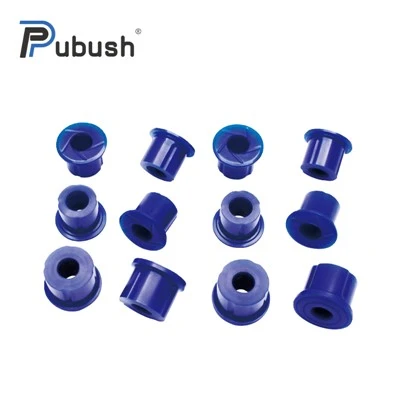
If you’re tired of feeling like your car is floating when you brake, or if you’ve noticed your stopping distance getting longer—hit us up. We can help you pick the right shocks for your vehicle, whether you drive a sedan, truck, SUV, whatever. No pushy sales, no weird jargon, just real advice from people who’ve been doing this for years. Let’s get your shocks sorted, so your brakes work like they should, and you can drive with confidence.
Shock Absorber References:
- Gilles, T. E. (2017). Automotive Suspension and Chassis Systems. Delmar Cengage Learning.
- Milliken, W. F., & Milliken, D. L. (1995). Race Car Vehicle Dynamics. SAE International.
- Society of Automotive Engineers (SAE). (2020). Performance Characteristics of Shock Absorbers for Passenger Vehicles. SAE International Journal of Passenger Cars – Mechanical Systems.
Xingtai Refined Machinery and Auto Accessory Co., Ltd.
Xingtai Refined Machinery and Auto Accessory Co., Ltd. is one of the most professional shock absorber manufacturers and suppliers in China, featured by quality products and low price. Please rest assured to wholesale durable shock absorber made in China here from our factory. Customized orders are welcome.
Address: XINGTAI REFINED MACHINERY AND AUTO ACCESSORY CO., LTD507 NORTH TAIHANG ROAD, XINGTAI CITY, HEBEI PROVINCE, PR.
E-mail: lindy@rfauto.biz
WebSite: https://www.pubush-suspension.com/
