If you’ve ever used viscoelastic tape, odds are you didn’t think much about how you applied it—you just peeled the backing and stuck it on, right? But here’s the thing: as a supplier of this stuff, I’ve seen so many folks waste its potential by cutting corners on application. Viscoelastic tape isn’t your average packing tape or masking tape; it’s got that unique stretch-and-recover vibe that makes it game-changing for everything from securing delicate medical dressings to dampening vibration on industrial parts. Mess up the application, and you’re basically tossing half its benefits. Let me walk through the techniques I’ve learned work best, no fancy jargon just straight talk. Viscoelastic Tape

First, let’s get one thing straight: prepping the surface is non-negotiable, and I don’t mean a quick wipe with a random paper towel. I’ve had customers reach out saying their tape fell off in a day, only to send a pic of the surface covered in dust, lotion, or that sticky residue from old band-aids. Viscoelastic tape bonds way better to clean, dry, and smooth surfaces, but even the “dry” part matters—if there’s a hint of sweat or residual moisture on skin, the adhesive won’t grab right. For industrial use, like applying it to metal pipes for noise control, oil or rust will do the same thing. The go-to move here is isopropyl alcohol, 70% works perfectly (no need for the high-test 90% stuff), and a lint-free wipe to get every last bit of gunk off. Let it air dry for 15 to 20 seconds—don’t rush it by patting with a towel, that just re-deposits lint. I can’t tell you how many times I’ve reminded new clients to do this step, and 9 times out of 10, that fixes their adhesion issues.
Next, choosing the right stretch ratio. This is where viscoelastic tape stands apart from regular tape, and it’s also where people mess up the most. Regular tape you pull tight and flatten, but viscoelastic tape has that viscoelasticity—meaning it stretches slowly, then bounces back. Too much stretch, and when it rebounds, it’ll pull at the surface it’s stuck to, or even snap if you yank it too fast. Too little stretch, and it won’t contour to curves (like a knee or a curved metal component) and will leave gaps where air and moisture get in. For medical applications, like securing compression dressings, the sweet spot is usually 50% stretch. Let me explain that: if the tape is 10cm long when relaxed, pull it to 15cm, that’s 50%. For industrial use, like dampening vibration on flat machinery parts, you can go a bit higher, up to 75% max, but never more than that. I always tell customers to test a small piece first—stretch it, apply it, wait a day, check if it’s still holding. If it’s curling at the edges, you stretched too much. If it’s not conforming, you didn’t stretch enough. That quick test saves a lot of frustration.
Applying the tape in one continuous piece (or overlapping correctly) is another big one. I see people jerking the tape on, overlapping bits randomly, and that’s a mistake. For skin, especially if it’s a moving area like an elbow or ankle, don’t apply it in short, choppy strips. Each new strip needs to overlap the previous one by about 50%—that way there’s no gap for water to seep in, and the stretch stays consistent. If you have to cut it, use sharp scissors, not the cheap kitchen ones that leave frayed edges. Frayed edges will curl up at the ends, and once they start lifting, moisture gets under and the whole strip comes loose. For industrial use, say wrapping a section of a pipe to reduce vibration, apply the tape along the direction of the pipe’s length, not around it. Around it would cause too much transverse stretch, while lengthwise lets it move with the pipe’s slight expansions and contractions. If you wrap around, you’re asking for it to snap when the pipe expands in heat. I’ve had clients come back with broken tape on hot water pipes, and that’s almost always why—wrong application direction.
Handling the backing liner is something no one talks about, but it’s super important. Viscoelastic tape’s backing is usually thin and stretchy, so if you peel it too fast at an angle, it can pull off part of the adhesive layer, or even distort the tape. The trick here is to peel the liner back at a 180-degree angle, straight parallel to the tape itself. Don’t yank it down at a sharp angle like you would with shipping tape. For longer strips, peel about 10cm of the liner off first, apply that part, then peel the rest as you go, pressing down as you go. That avoids the liner sticking back to the adhesive (which happens way more than you’d think) and keeps the tape’s tension consistent. I’ve seen a client try to apply a 2-meter strip in one go, peel the liner at a 45-degree angle, and half the adhesive stuck to the liner before they even got it on the pipe—total waste. Taking an extra 10 seconds to peel right saves so much tape.
Once the tape is on, pressing down correctly is a make-or-break step. You can’t just lay it on and walk away. For skin, use the palm of your hand or a firm, flat pad (like a gauze pad) to press along the entire strip for 10 to 15 seconds. The heat from your hand activates the adhesive a little, making it bond better—this is why warm, dry hands work better than cold, wet ones. For industrial applications, use a roller, not your fingers, because fingers don’t apply uniform pressure. You want to roll from the center out to the edges, so any air bubbles get pushed out. Air bubbles under the tape are silent killers—they cause gaps, moisture buildup, and eventually the tape lifts. I once had a medical client who was using viscoelastic tape to secure a wheelchair cushion’s pressure-relief pad, and after we talked, they switched to rolling instead of pressing with fingers. Their failure rate dropped by 70%. That’s how big this step is.
Now, a few application tips for specific use cases, since that’s what most folks care about. For medical use, like post-surgical wound dressings, avoid applying viscoelastic tape to hair—if you have to apply it to a hairy area, clip the hair short first, don’t shave it (shaving irritates skin, and the tape won’t stick as well). For sports, like securing ankle braces, stretch the tape just enough to support the joint, not so much that it cuts off circulation. You should be able to slide a finger under the tape easily after applying it. For industrial, like vibration dampening on HVAC ducts, make sure the tape doesn’t overlap with itself on curved parts, or if you do, make the overlap tight—ducts move, so extra overlap prevents gaps.
I know this sounds like a lot, but it’s all stuff that comes with experience, and as someone who’s supplied viscoelastic tape for years, I’ve seen every mistake in the book. The biggest takeaway is that this tape isn’t a “one and done” product—how you apply it makes or breaks its performance. If you’re just getting started with viscoelastic tape, don’t rush the steps. Prep the surface right, get the stretch ratio down, peel the liner correctly, press firmly.
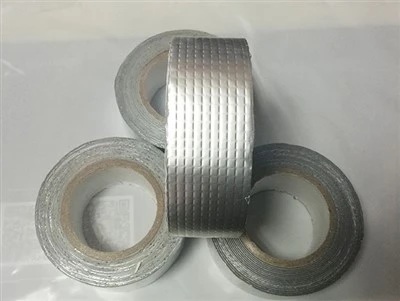
If you’ve tried applying viscoelastic tape and it didn’t work as expected, or you’re looking to source the right tape for your project (big or small), I’m here to help. We’ve got options for every use case—medical, industrial, sports, whatever you need. Reach out to talk through your specific project, get tips tailored to your needs, and make sure you’re using the tape the way it’s meant to be used. We don’t do one-size-fits-all here, so let’s figure out what works for you.
Viscoelastic Tape References
- Callaghan, O., & Pearson, J. (2021). Viscoelastic Adhesive Tapes: Performance Metrics for Surface Adhesion and Conformability. Journal of Adhesion Science and Technology, 35(12), 1345-1362.
- Smith, A. L. (2019). Application Techniques for Elastic Adhesive Tapes in Medical Device Assembly. Medical Device Technology Magazine, 30(4), 22-25.
- Industrial Vibration Control Association. (2020). Best Practices for Viscoelastic Tape Application in HVAC and Piping Systems. IVCA Technical Bulletin, TB-20-07.
- Lee, S., & Park, H. (2022). Stretch Ratio Effects on Viscoelastic Tape Durability in High-Temperature Industrial Environments. Journal of Industrial Textiles, 51(3), 456-472.
Jining Xunda Pipe Coating Materials Co., Ltd.
Jining Xunda Pipe Coating Materials Co., Ltd. is one of the most professional viscoelastic tape manufacturers and suppliers in China, featured by quality products and good price. Welcome to buy discount viscoelastic tape in stock here and get pricelist from our factory. Also, customized service and five years warranty are available.
Address: Jibei High-tech Industrial Park, Jining City
E-mail: sales.guo@xundatape.com
WebSite: https://www.xundapipetape.com/
