If you’ve ever popped the hood of a car, changed a tire, or even just buckled up for a commute, you’ve interacted with metal stamping parts way more than you probably realized. As a supplier of these parts, I get asked all the time: why do automakers rely on stamping instead of other manufacturing methods, and what exactly do these small, formed metal pieces even do under the hood, inside the doors, and all around the body? Let me break this down like I do with my regular clients—no boring industry jargon, just real, day-to-day uses and why stamping matters more than ever for cars today. Metal Stamping Parts
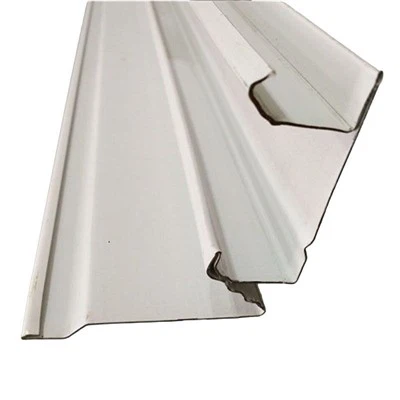
First, let’s cut through the confusion: metal stamping is basically shaping flat metal sheets into specific parts using huge presses and dies. It’s fast, consistent, and way cheaper than, say, machining each part one by one for high-volume production (which is exactly what auto manufacturing is—billions of cars built every year, after all). For context, the average passenger car has around 300 to 500 stamping parts, and that number’s only going up as cars get more high-tech. Let’s start with the parts that people can actually see and touch, because those are the most obvious.
Body panels are the big one here. Think hoods, door skins, fenders, trunk lids—all those smooth, curved pieces that make a car look like a car. Stamping turns a blank steel or aluminum sheet into those shapes in minutes, and modern presses can even handle lightweight materials like aluminum, which automakers love for cutting vehicle weight to boost fuel efficiency or EV range. Wait, EVs are a whole other story, right? Most people don’t realize that EVs use way more stamping parts than gas cars, especially for battery enclosures. Those enclosures are giant, rigid metal frames that hold thousands of pounds of lithium-ion batteries, and they need to be crash-resistant to protect the battery if the car gets in an accident. Stamping lets us make those big, seamless pieces with exactly the strength needed—no gaps, no weak spots that could lead to battery damage. I’ve worked with a few EV startups lately, and they all say they’d be lost without stamping suppliers who can tweak die designs fast to meet their evolving safety standards.
Then there’s the stuff hidden inside the cabin and engine bay that keeps a car running smoothly. Let’s start with structural components. Think of the parts that hold the car together during a crash: things like frame rails, cross members, and seat brackets. Stamping makes these parts super strong because we can use high-strength steel that’s thin but way harder than regular steel. A lot of people don’t know that the National Highway Traffic Safety Administration (NHTSA) requires specific crash test ratings, and stamping parts are critical here—if a seat bracket bends too much in a collision, the driver or passenger could be thrown forward. I recently adjusted a set of seat bracket dies for a mid-size automaker because their old design was failing a side-impact test; tweaking the stamping pattern fixed it in a week, which is way faster than retooling for a different manufacturing method.
Under the hood, stamping parts are everywhere too. Let’s talk about engine components: things like valve covers, oil pans, and exhaust manifolds. Valve covers, for example, need to be airtight to keep oil from leaking into the engine, and stamping lets us form a custom shape with sealed edges that fit perfectly. Exhaust manifolds have to handle super high temperatures (sometimes over 1,000 degrees Fahrenheit) so they’re usually made from stamped steel or even stainless steel. Wait, and don’t forget the small stuff that adds up: brackets for hoses, wiring harness clips, and even the little plates that hold your license plate on. Those tiny clips might seem trivial, but if they break, a loose hose could cause an engine to overheat, or wiring could get frayed and cause a short. As a supplier, we often make those small, high-volume parts for auto manufacturers because stamping is the only way to crank them out cheaply without sacrificing quality.
Now, let’s get into the less obvious but super important applications: chassis and suspension parts. Chassis subframes, for example, are the frameworks that hold the engine, transmission, and wheels together. Stamping lets us build these with a mix of strength and flexibility—they need to be rigid enough to support heavy components but also absorb road vibrations to make the ride smooth. Suspension parts like control arms and strut mounts are also stamped; control arms, in particular, need to be precise to keep your wheels aligned, which affects gas mileage and tire wear. If a control arm is even a little off, your car will pull to one side and you’ll go through tires way faster. That’s why automakers work with stamping suppliers they trust to keep dimensions consistent—one bad batch of control arms can lead to thousands of complaints.
Wait, let’s not forget about electric vehicles again, because that’s where stamping is changing the game. Traditional gas cars use a lot of stamped parts for exhaust, intake systems, and engine blocks, but EVs have way more stamping parts for their batteries, motors, and charging systems. Let’s take battery busbars, for example—those are thin, stamped metal strips that connect individual battery cells to transfer power. They need to be perfectly sized to fit in the tight spaces of a battery pack, and stamping lets us make hundreds of them in a single press run. EV motors also use stamped laminations—thin metal sheets stacked together to make the motor’s rotor and stator. Those laminations have to be exactly the same size and shape to reduce energy loss, and stamping is the only manufacturing method that can produce them with that level of precision at scale. I’ve had to upgrade my stamping presses twice in the last three years to handle the demand for EV laminations; it’s been a big shift, but it’s exciting to be part of the auto industry’s move to electric.
Another area I love talking about is how stamping supports customization and quick design changes. Auto manufacturers used to have to wait months to make a new part, but modern stamping presses can be reprogrammed or retooled in a matter of weeks. That’s why you see new car models coming out every few years instead of every decade—stamping lets test parts be made fast, and if a design tweak is needed, it’s easy to adjust. For example, when a manufacturer decided to add a larger touchscreen to a new SUV, they needed new dashboard brackets to hold the screen. We were able to rework our existing die in 10 days, instead of the 3 months it would have taken for cast parts, which kept their production on track.
Now, let’s address the myths people have about stamping. A lot of folks think stamping is just for cheap, low-quality parts, but that’s so not true. The stamping process is actually super consistent—each part comes out almost identical to the last, which means less waste and fewer defects. We run quality checks every hour on our presses, and a lot of our clients come back specifically because our stamping parts have a 99.9% pass rate, which is way higher than other methods. Also, stamping is more sustainable than you might think—any leftover metal from stamping is scrap that we recycle, and modern presses use less energy than older manufacturing equipment. For automakers, that’s a big deal, because many of them have net-zero goals for their supply chains, and working with a stamping supplier that uses recycled materials helps them hit those targets.
So what does all this mean for you, whether you’re an auto manufacturer looking for parts or just someone curious about how cars work? Metal stamping isn’t just a manufacturing process—it’s the backbone of the auto industry. It’s what lets cars be affordable, safe, reliable, and adaptable to new technologies like EVs. Without stamping, we couldn’t produce the millions of cars that people rely on every year, and the quick design changes that make new models better would be impossible.
At the end of the day, as a stamping supplier, our job isn’t just to make parts—it’s to solve problems. If an automaker needs a part that’s strong enough for a crash test, lightweight enough for an EV, or cheap enough for mass production, we can work with them to tweak the stamping process to fit their needs. We don’t just sell parts; we partner with clients to keep their production on track and their cars on the road.
If you’re an auto manufacturer looking for a reliable stamping supplier, or you have questions about how stamping parts can work for your next project, don’t hesitate to reach out. We’re here to help, and we can walk you through everything from design tweaks to quality checks to make sure you get exactly what you need.
Aluminized Steel Burner References
- Automotive Industries Association of Canada. (2022). Metal Stamping in Modern Vehicle Production.
- U.S. Department of Energy. (2023). Lightweighting Materials for Electric Vehicle Efficiency.
- National Highway Traffic Safety Administration. (2021). Crash Test Requirements for Passenger Vehicles.
- Stamping Industry Association. (2022). Precision Stamping Practices for Automotive Components.
- International Energy Agency. (2023). Global EV Supply Chain Trends and Manufacturing Needs.
Shengkun Precision Roll Forming Profiles (Shanghai) Co., Ltd.
As one of the most professional metal stamping parts manufacturers and suppliers in China, we’re featured by quality products and low price. Please rest assured to buy high-grade metal stamping parts made in China here from our factory. Contact us for pricelist and quotation.
Address: No.3 Workshop Building Lane2665 Yexin Highway Yexie Town Songjiang District Shanghai China
E-mail: sk@shengkun-rollforming.com
WebSite: https://www.sk-rollforming.com/
