Hey there! I’m a supplier of precision machined parts, and I know how crucial it is to ensure the perpendicularity of these parts. Perpendicularity isn’t just a fancy technical term; it’s the backbone of high – quality precision machining. In this blog, I’ll share some practical tips on how to make sure your precision machined parts are as perpendicular as they need to be. Precision Machined Parts

Understanding Perpendicularity in Precision Machined Parts
First off, let’s talk about what perpendicularity means in the context of precision machined parts. When we say a part is perpendicular, we’re referring to the angle between two surfaces. Ideally, that angle should be exactly 90 degrees. Why does this matter? Well, in many applications, like in aerospace or automotive industries, even the slightest deviation from perpendicularity can lead to major problems. For example, if a part in an engine isn’t perpendicular, it can cause uneven wear, reduce efficiency, and even lead to mechanical failures.
The Role of Machine Calibration
One of the first steps in ensuring perpendicularity is proper machine calibration. You see, the machines we use for precision machining are like the artists’ brushes. If the brush isn’t properly set up, the painting won’t turn out right. Similarly, if our machining tools aren’t calibrated correctly, the parts won’t be perpendicular.
Regular calibration of our lathes, mills, and other machining equipment is a must. We check the alignment of the axes, the accuracy of the cutting tools, and the stability of the machine bed. This is usually done using specialized calibration equipment, like laser interferometers. These devices can measure tiny deviations in the machine’s movement and help us make the necessary adjustments. It’s a time – consuming process, but it’s well worth it because it sets the foundation for producing perpendicular parts.
Material Selection and Preparation
The material we choose for our precision machined parts also plays a big role in ensuring perpendicularity. Different materials have different properties, like hardness, ductility, and thermal expansion. For instance, if we’re working with a material that has a high thermal expansion coefficient, it can expand or contract during the machining process, which can affect the perpendicularity of the part.
Before we start machining, we carefully select the right material for the job. We also make sure the material is properly prepared. This might involve heat treatment to relieve internal stresses or cutting the material to the right size and shape. By starting with a well – prepared material, we reduce the chances of any issues that could compromise the perpendicularity of the final part.
Cutting Tool Selection and Maintenance
Cutting tools are another key factor. The right cutting tool can make all the difference in achieving perpendicularity. We need to choose tools that are sharp, durable, and suitable for the material we’re working with. A dull or inappropriate cutting tool can cause uneven cutting, which can lead to non – perpendicular surfaces.
We also pay close attention to tool maintenance. We regularly sharpen our cutting tools and replace them when they’re worn out. This ensures that the cutting action is consistent and precise, which is essential for producing perpendicular parts. And let’s not forget about the tool’s geometry. The shape of the cutting edge can affect how the tool interacts with the material, so we make sure to use tools with the right geometry for the job.
Fixturing and Workholding
Proper fixturing and workholding are essential for maintaining perpendicularity during the machining process. When we hold the part in place, we need to make sure it’s secure and properly aligned. If the part moves or shifts during machining, it can cause the surfaces to be non – perpendicular.
We use a variety of fixtures and workholding devices, like vises, clamps, and chucks. These devices are designed to hold the part firmly in place while allowing the cutting tools to access the necessary surfaces. We also make sure to position the part correctly on the machine table. This might involve using alignment pins or other positioning aids to ensure that the part is in the right orientation.
Process Control and Monitoring
During the machining process, we need to have strict process control and monitoring. This means keeping a close eye on the cutting parameters, like the cutting speed, feed rate, and depth of cut. These parameters can have a significant impact on the quality of the machined surface and the perpendicularity of the part.
We use sensors and monitoring systems to track these parameters in real – time. If we notice any deviations from the set values, we can make immediate adjustments. For example, if the cutting speed is too high, it can cause the tool to wear out quickly and lead to non – perpendicular surfaces. By monitoring and adjusting the process, we can ensure that the part is machined to the required specifications.
Inspection and Quality Assurance
Once the part is machined, the inspection process is crucial. We use a variety of inspection tools, like coordinate measuring machines (CMMs), to check the perpendicularity of the part. CMMs can measure the dimensions and angles of the part with high accuracy, allowing us to detect any deviations from the required perpendicularity.
We also have a quality assurance system in place. This includes a series of checks and tests at different stages of the manufacturing process. If a part doesn’t meet the perpendicularity requirements, we take corrective action. This might involve re – machining the part or even scrapping it if the deviation is too large.
Employee Training and Skill Development
Last but not least, the skills and knowledge of our employees are vital. We invest a lot in training our staff to ensure they understand the importance of perpendicularity and how to achieve it. Our employees are trained in machine operation, tool selection, fixturing, and inspection techniques.
We also encourage continuous learning and skill development. We provide our employees with access to the latest industry information and training courses. By having a well – trained workforce, we can consistently produce high – quality precision machined parts with the required perpendicularity.
Conclusion
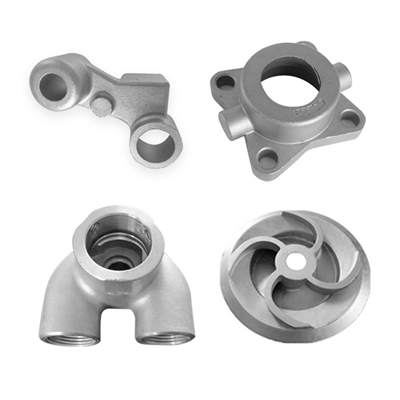
Ensuring the perpendicularity of precision machined parts is a complex but achievable task. It requires a combination of proper machine calibration, material selection, cutting tool management, fixturing, process control, inspection, and employee training. At our company, we’re committed to delivering the highest quality precision machined parts with the right perpendicularity for our customers.
Output Shaft If you’re in the market for precision machined parts and you’re looking for a supplier who understands the importance of perpendicularity, we’d love to hear from you. Whether you have a small – scale project or a large – scale production run, we have the expertise and resources to meet your needs. Reach out to us to start a discussion about your requirements.
References
- "Precision Machining Technology" by John A. Reinhart
- "Manufacturing Engineering and Technology" by Serope Kalpakjian and Steven R. Schmid
- Industry standards and guidelines related to precision machining and perpendicularity measurement.
Taizhou Liuhuan Machinery Co., Ltd.
As one of the most professional precision machined parts manufacturers and suppliers in China, we’re featured by quality products and good service. Please rest assured to buy customized precision machined parts made in China here from our factory. For quotation, contact us now.
Address: Xinyuan Industrial Zone, Damaiyu Street, Yuhuan City, Zhejiang Province,China
E-mail: tzlhmachining@gmail.com
WebSite: https://www.tzlhmachining.com/
