Hey there! I’m a supplier of solar street lights, and today I wanna chat about something that’s super important in our industry: compatibility issues when using different parts in solar street lights. Solar Street Light
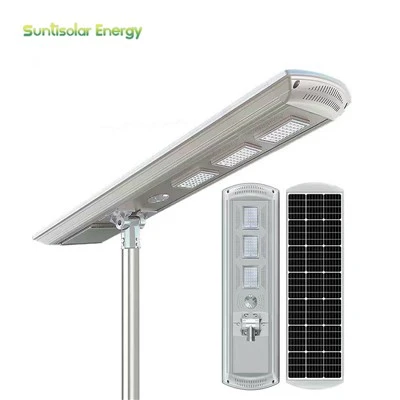
Let’s start with the basics. A solar street light is made up of several key components – the solar panel, the battery, the LED light source, and the controller. Each of these parts plays a crucial role in making the whole system work efficiently. But when you mix and match different parts from various manufacturers, things can get a bit tricky.
First off, let’s talk about the solar panel and the battery. The solar panel is responsible for converting sunlight into electricity, and the battery stores that electricity for later use. If the solar panel and the battery aren’t compatible, it can lead to some serious problems. For example, if the solar panel generates more power than the battery can handle, the battery might overcharge. This can not only reduce the battery’s lifespan but also pose a safety risk. On the other hand, if the solar panel doesn’t generate enough power for the battery, the battery won’t be fully charged, and the light might not work as expected at night.
I’ve seen this happen a few times with some of my customers. They bought a high – powered solar panel thinking it would charge the battery faster, but the battery they had was too small to handle the extra power. As a result, the battery started to swell up, and within a few months, it stopped working altogether. So, it’s really important to make sure that the power output of the solar panel matches the charging requirements of the battery.
Another compatibility issue is between the LED light source and the controller. The controller is like the brain of the solar street light. It regulates the charging and discharging of the battery and controls when the light turns on and off. If the LED light source has different power consumption characteristics than what the controller is designed for, it can cause the light to flicker or not turn on at all.
For instance, some LED lights have a high inrush current when they’re first turned on. If the controller isn’t designed to handle this inrush current, it might trip and cut off the power to the light. I had a customer who installed a new type of LED light in their existing solar street light system. The light kept flickering, and they couldn’t figure out why. After some investigation, we found out that the controller wasn’t compatible with the new LED light’s inrush current. We had to replace the controller to fix the problem.
The battery and the LED light source also need to be compatible. The battery needs to be able to supply enough power to the LED light for the desired lighting duration. If the battery capacity is too small, the light might dim or turn off earlier than expected. On the other hand, if the battery is too large, it can add unnecessary cost to the system.
I remember one project where a customer wanted a long – lasting solar street light. They installed a large battery thinking it would keep the light on all night. But the LED light they used was very power – hungry, and the battery couldn’t supply enough power for the whole night. The light started to dim after a few hours, and the customer was really disappointed. We had to adjust the LED light to a more energy – efficient model to make the system work properly.
Now, let’s talk about how to avoid these compatibility issues. The first thing is to do your research. When you’re choosing parts for your solar street lights, make sure to read the product specifications carefully. Look for information about the power output, charging requirements, and compatibility with other components.
It’s also a good idea to buy parts from the same manufacturer whenever possible. Most manufacturers design their components to work together, so you’re less likely to run into compatibility problems. However, I know that sometimes you might need to use different parts due to cost or availability reasons. In that case, it’s important to test the system before installation. You can connect the components in a test setup and see how they work together. This way, you can identify and fix any compatibility issues before you install the solar street lights in the field.
As a solar street light supplier, I’ve got a lot of experience in dealing with these compatibility issues. I can offer advice on which parts work well together and help you design a solar street light system that meets your specific needs. Whether you’re looking for a small – scale residential installation or a large – scale commercial project, I can provide you with high – quality parts that are compatible and reliable.

If you’re in the market for solar street lights or have any questions about compatibility issues, don’t hesitate to get in touch. I’m here to help you make the right choices and ensure that your solar street light system works flawlessly. We can have a chat about your requirements, and I’ll do my best to come up with a solution that fits your budget and needs.
Split Solar Street Light References
- Solar Energy Handbook: A Comprehensive Guide to Solar Power Systems
- LED Lighting Technology and Applications
- Battery Management in Renewable Energy Systems
Yantai Xutai New Energy Technology Co., Ltd.
Yantai Xutai New Energy Technology Co., Ltd. is one of the most professional solar street light manufacturers and suppliers in China. With a professional production team, we are able to meet the needs of the majority of our customers. Please rest assured to buy premium solar street light made in China here from our factory.
Address: No.229, Tongshinan Road, Zhifu District, Yantai City, Shandong Province, China
E-mail: Joe.chu@suntisolar.com
WebSite: https://www.suntisolar.com/
