Yo, what’s up everyone! I’m a supplier of SWIR 640, and today I wanna chat about a pretty hot topic: Does SWIR 640 have anti – interference ability? SWIR 640
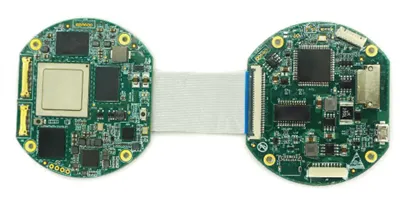
Let’s start from the basics. SWIR 640, short for Short – Wave Infrared 640, is a nifty imaging device that operates in the short – wave infrared band. This is a spectral range between about 0.9 and 1.7 micrometers. Now, the anti – interference ability is crucial for any imaging system, especially in real – world applications.
Think about it. In most environments, there are tons of sources of interference. Sunlight, for example, is a massive source of radiation across the spectrum. When an imaging device is out in the open, it has to deal with all that sunlight, which can cause glare and make it hard to get a clear image. But here’s where SWIR 640 shines.
The short – wave infrared band is less affected by sunlight compared to the visible light spectrum. The sunlight has a relatively lower intensity in the SWIR range. So, when SWIR 640 is working, it can filter out much of the overwhelming visible light interference. This means that even on a bright sunny day, you can still get a decent quality image. It’s like wearing a pair of sunglasses that block out the harsh glare but still let you see clearly.
Another common interference source is artificial light. Streetlights, indoor lighting systems, and industrial lights all emit different wavelengths of light. Some of these can mess with the performance of an imaging device. But SWIR 640 is designed to be quite resistant to these types of interference. Since most artificial lights are optimized for the visible light range, they don’t have a strong presence in the SWIR band. So, when you use SWIR 640 in an area filled with artificial light, it can focus on the SWIR signals it needs to create an image, without getting bogged down by the noise from the visible light sources.
Now, let’s talk about scattering. In the atmosphere, tiny particles like dust, fog, and haze can scatter light. When light gets scattered, it becomes difficult for an imaging system to detect the original signal. In the visible spectrum, scattering is a big problem, especially in hazy or foggy conditions. However, in the short – wave infrared range, the scattering effect is much weaker. SWIR 640 can penetrate through these foggy and hazy atmospheres better than many visible – light imaging devices. This allows it to maintain its performance and capture clear images even in less – than – ideal weather conditions.
One more thing to consider is electrical interference. In modern industrial settings, there are all sorts of electrical equipment and cables. These can generate electromagnetic interference (EMI) that can affect the performance of electronic devices, including imaging sensors. But SWIR 640 has some built – in shielding and filtering mechanisms. These help to reduce the impact of EMI on the sensor. The designers of SWIR 640 have done a great job in making sure that the device can operate smoothly even in an electrically noisy environment.
But it’s not all rainbows and butterflies. SWIR 640 does have its limitations when it comes to anti – interference. For example, if there’s a very strong source of radiation in the SWIR band itself, like a high – powered SWIR laser, it can definitely cause interference. A powerful SWIR laser can saturate the sensor, making it impossible to get a proper image. Also, some very specific industrial processes that produce a lot of SWIR radiation can pose challenges.
In some complex multi – sensor systems, the interaction between different sensors can also lead to interference. If SWIR 640 is used alongside other sensors that operate in similar or overlapping spectral ranges, there might be cross – talk. This means that the signals from one sensor can interfere with the signals of SWIR 640. But with proper design and calibration, these issues can be minimized.
So, overall, SWIR 640 does have a pretty good anti – interference ability. It can handle a wide range of common interference sources like sunlight, artificial light, atmospheric scattering, and electrical interference. Of course, there are some edge cases where it might struggle, but with the right setup and appropriate precautions, it can perform very well.
If you’re in the market for an imaging device that needs to work in challenging environments, SWIR 640 could be a great option. Whether you’re in the security industry for surveillance, in the industrial sector for quality control, or in scientific research, its anti – interference features can really come in handy.
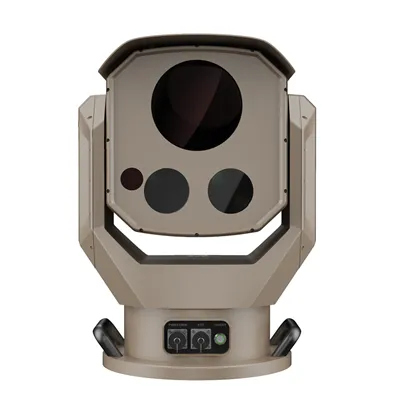
If you’re interested in learning more about SWIR 640 and how it can fit into your specific application, or if you’re thinking about making a purchase, don’t hesitate to reach out. We can have a detailed chat about your requirements and see how we can help you get the most out of this amazing technology.
SWIR Camera Lens References:
- Infrared Imaging Technology Handbook
- Short – Wave Infrared Sensor Design and Applications Research Papers
Xi’an Zhongke Lead Ir-Tech Co., Ltd.
We are one of the most experienced swir 640 manufacturers in China, specialized in providing high quality OEM products with the industrial grade. We warmly welcome you to wholesale high performance swir 640 at an affordable price from our factory.
Address: Building 8,Hard Technology Enterprise Community No.3000,Biyuan 2nd Rd,High-Tech Zone Xi’an,Shaanxi,China
E-mail: sales@lead-ir.com
WebSite: https://www.leadinfrared.com/
